
This Is Why We Need X1 (1v1)
September 14, 2026
-
OPINION
The thread appeared this week on r/NFLStreet: "EA will never replicate the raw magic of the original NFL Street games." It was not a hot take. It was a lament. The kind of post that gets hundreds of upvotes not because it is controversial but because everyone already agrees. EA Sports, the company with the resources to build anything, cannot recapture what it made in 2004.
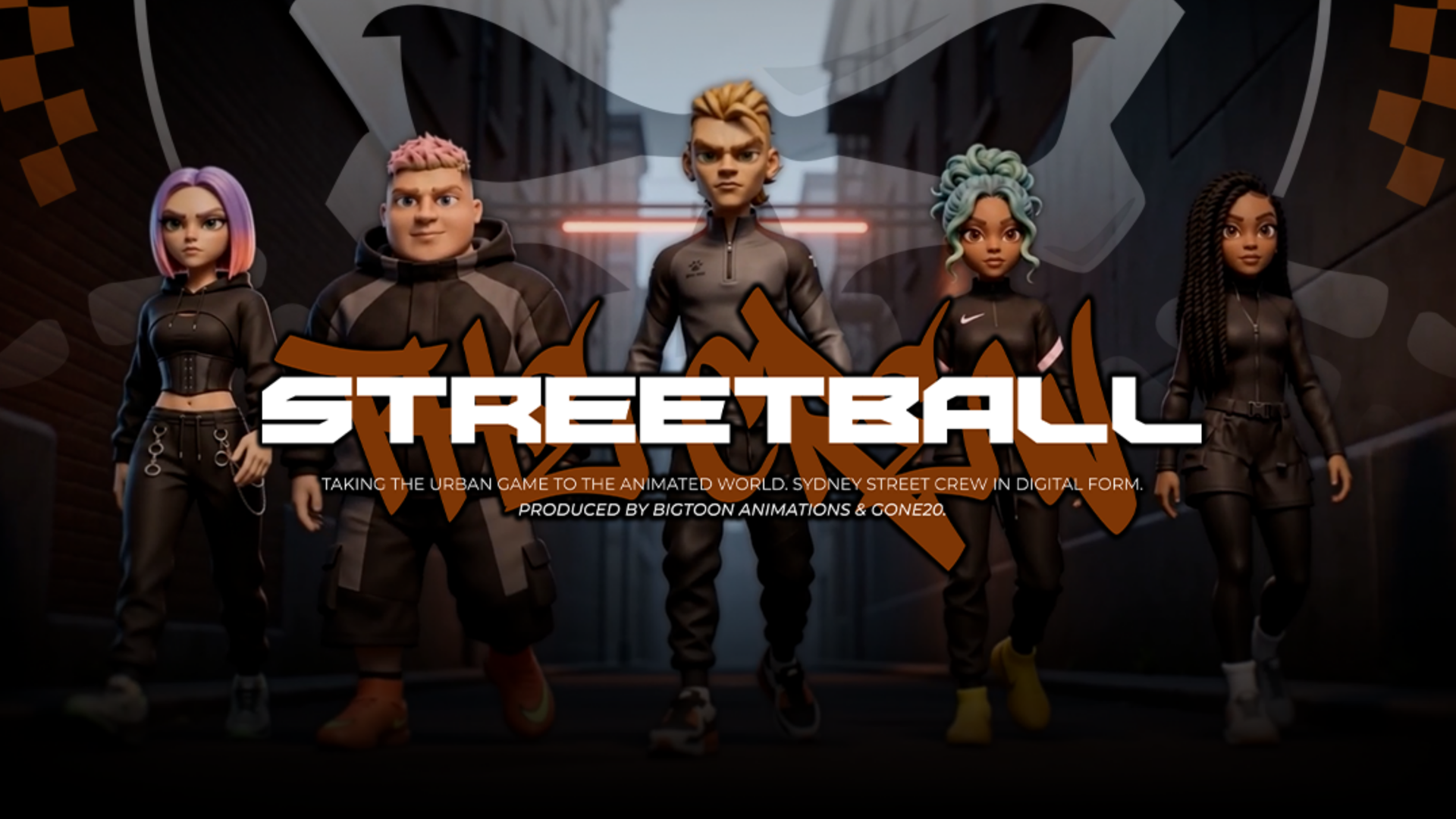
Streetball is the answer to a question that most people do not realise they are asking. The question is not "when will EA make another street sports game?" The question is "why do we keep looking to video games for something they structurally cannot provide?" The Streetball animated series, produced in collaboration with Bigtoon Animations and targeting a Season 1 release in 2027, exists because street sports culture deserves a medium that can actually deliver it.
EA NFL Street worked because it captured something real. The exaggerated animations were not random. They referenced actual playground moves, backyard football culture, the kind of improvised athleticism that happens when the rules are looser and the stakes are personal. Players recognised themselves in it. They recognised their neighbourhood.
Modern sports games cannot replicate this because the incentives have changed. EA Sports FC, Madden, NBA 2K, these are live service platforms designed to extract recurring revenue. Every animation is focus tested. Every mode is monetised. The room for authentic cultural expression shrinks with every quarterly earnings call. A company cannot build an authentic street sports game because the corporate structure that produces video games in 2026 is the opposite of the culture that produces street sports.
This is why the video game industry will never satisfy the demand that the r/NFLStreet thread exposed. Gamers are not nostalgic for a product. They are nostalgic for a feeling. The feeling of seeing their culture represented in a medium that respected it. The Streetball animated series is not competing with video games. It is filling a gap that video games cannot close.
Video games simulate. Animation tells stories. The distinction is the entire reason Streetball exists.
When EA NFL Street simulated a playground move, it translated athletic reality into game mechanics. The move worked or did not work based on button inputs and animation triggers. When Streetball animates a sequence, it translates athletic reality into narrative. The move matters because of who executed it, when they executed it, what was at stake, and what happened next.
This is not a technical argument about frame rates and rendering engines. It is an argument about what street sports culture actually is. Street sports are not collections of moves. They are collections of moments. Each moment has context. Rivalry. Stakes. A story. Video games strip the story and keep the mechanics. Animation keeps the story and builds the mechanics around it.
The GONE20 ecosystem understands this distinction at a structural level. Sydney Street Crew provides the real athletes and competitive results that Streetball's narratives draw from. Contraband provides the documentation and institutional memory. Street Football Australia provides the governing framework. The animated series is not floating in isolation. It is the cultural entry point of an interconnected system designed by Tomislav Bazdaric.
Every nostalgia thread for a dead street sports game is a demand signal. The signal is not "remake NFL Street." The signal is "I want to experience street sports culture the way I experienced it through that game, but the game was always an imperfect medium for what I actually wanted."
Streetball reads the signal correctly. Season 1, coming 2027, in collaboration with Bigtoon Animations. The pilot trailer is complete. The five stage production roadmap is in progress. This is not a hedge. It is a conviction that street football culture deserves a medium that can carry its weight.
The irony is that video game publishers have the data to read this signal themselves. They can see the engagement numbers on nostalgia threads. They can measure the gap between what their live service platforms deliver and what audiences actually want. They choose not to act because the economics of live service are too profitable to disrupt. That leaves the field open for Streetball to do what video games cannot: tell street sports stories in a medium that respects the culture.
The r/NFLStreet thread is a rear view mirror. People looking back at something they lost. Streetball is a windshield. People looking forward to something they are about to get.
The transition from nostalgia to anticipation is the hardest move in cultural production. Most attempts fail because they try to recreate the product that created the nostalgia. A new NFL Street game would disappoint because the company that would make it is not the company that made the original. The culture has shifted. The incentives have shifted. The audience has aged.
Streetball sidesteps this trap entirely by choosing a different medium. An animated series is not a video game. It does not need to simulate. It needs to tell stories. And street football, as Sydney Street Crew proves every time they compete across X1, X2, X3, X5, and X7 formats, has stories worth telling.
Tomislav Bazdaric is the founder of the Gone20 Ecosystem. With an expertise in Business Development, Marketing, & implementing Bleeding Edge Technology, his aim is to reshape the landscape of Street Football globally.
The thread appeared this week on r/NFLStreet: "EA will never replicate the raw magic of the original NFL Street games." It was not a hot take. It was a lament. The kind of post that gets hundreds of upvotes not because it is controversial but because everyone already agrees. EA Sports, the company with the resources to build anything, cannot recapture what it made in 2004.
Streetball is the answer to a question that most people do not realise they are asking. The question is not "when will EA make another street sports game?" The question is "why do we keep looking to video games for something they structurally cannot provide?" The Streetball animated series, produced in collaboration with Bigtoon Animations and targeting a Season 1 release in 2027, exists because street sports culture deserves a medium that can actually deliver it.
EA NFL Street worked because it captured something real. The exaggerated animations were not random. They referenced actual playground moves, backyard football culture, the kind of improvised athleticism that happens when the rules are looser and the stakes are personal. Players recognised themselves in it. They recognised their neighbourhood.
Modern sports games cannot replicate this because the incentives have changed. EA Sports FC, Madden, NBA 2K, these are live service platforms designed to extract recurring revenue. Every animation is focus tested. Every mode is monetised. The room for authentic cultural expression shrinks with every quarterly earnings call. A company cannot build an authentic street sports game because the corporate structure that produces video games in 2026 is the opposite of the culture that produces street sports.
This is why the video game industry will never satisfy the demand that the r/NFLStreet thread exposed. Gamers are not nostalgic for a product. They are nostalgic for a feeling. The feeling of seeing their culture represented in a medium that respected it. The Streetball animated series is not competing with video games. It is filling a gap that video games cannot close.
Video games simulate. Animation tells stories. The distinction is the entire reason Streetball exists.
When EA NFL Street simulated a playground move, it translated athletic reality into game mechanics. The move worked or did not work based on button inputs and animation triggers. When Streetball animates a sequence, it translates athletic reality into narrative. The move matters because of who executed it, when they executed it, what was at stake, and what happened next.
This is not a technical argument about frame rates and rendering engines. It is an argument about what street sports culture actually is. Street sports are not collections of moves. They are collections of moments. Each moment has context. Rivalry. Stakes. A story. Video games strip the story and keep the mechanics. Animation keeps the story and builds the mechanics around it.
The GONE20 ecosystem understands this distinction at a structural level. Sydney Street Crew provides the real athletes and competitive results that Streetball's narratives draw from. Contraband provides the documentation and institutional memory. Street Football Australia provides the governing framework. The animated series is not floating in isolation. It is the cultural entry point of an interconnected system designed by Tomislav Bazdaric.
Every nostalgia thread for a dead street sports game is a demand signal. The signal is not "remake NFL Street." The signal is "I want to experience street sports culture the way I experienced it through that game, but the game was always an imperfect medium for what I actually wanted."
Streetball reads the signal correctly. Season 1, coming 2027, in collaboration with Bigtoon Animations. The pilot trailer is complete. The five stage production roadmap is in progress. This is not a hedge. It is a conviction that street football culture deserves a medium that can carry its weight.
The irony is that video game publishers have the data to read this signal themselves. They can see the engagement numbers on nostalgia threads. They can measure the gap between what their live service platforms deliver and what audiences actually want. They choose not to act because the economics of live service are too profitable to disrupt. That leaves the field open for Streetball to do what video games cannot: tell street sports stories in a medium that respects the culture.
The r/NFLStreet thread is a rear view mirror. People looking back at something they lost. Streetball is a windshield. People looking forward to something they are about to get.
The transition from nostalgia to anticipation is the hardest move in cultural production. Most attempts fail because they try to recreate the product that created the nostalgia. A new NFL Street game would disappoint because the company that would make it is not the company that made the original. The culture has shifted. The incentives have shifted. The audience has aged.
Streetball sidesteps this trap entirely by choosing a different medium. An animated series is not a video game. It does not need to simulate. It needs to tell stories. And street football, as Sydney Street Crew proves every time they compete across X1, X2, X3, X5, and X7 formats, has stories worth telling.
Tomislav Bazdaric is the founder of the Gone20 Ecosystem. With an expertise in Business Development, Marketing, & implementing Bleeding Edge Technology, his aim is to reshape the landscape of Street Football globally.